Cute Pony Applique Review
As a designer who spends hours evaluating digital assets for both personal studio work and client projects, I look for more than just a pretty picture. I need to know if a design will hold up under the needle, translate well into a physical product, and actually sell or delight the end user. When I first pulled up Cute Pony Applique, my immediate reaction was one of practical optimism. It isn’t trying to be high-art; it is designed with a clear purpose in mind: creating adorable, marketable goods for children and baby-focused markets.
This review breaks down how this specific embroidery file performs in real-world scenarios, from stitching tests to final product presentation. If you are an Etsy seller, a craft fair vendor, or a hobbyist looking to add value to your handmade items, here is what you need to know before loading this onto your machine.
First Impressions and Visual Personality
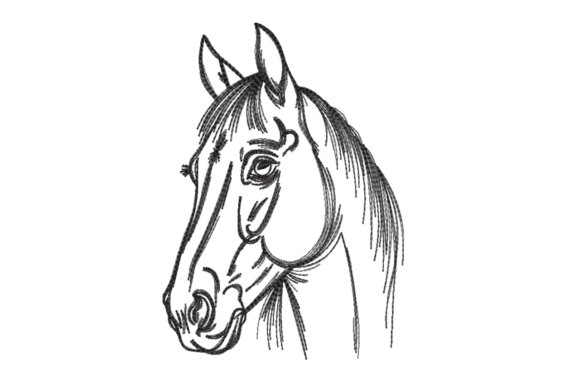
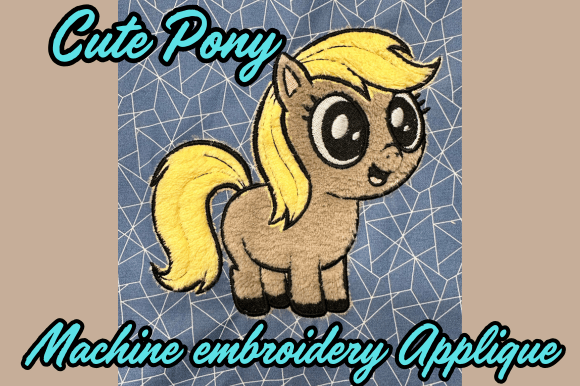
The moment you open the file, the clean lines stand out. In the world of Horses themed designs, there is often a tendency toward overly complex silhouettes that can get lost in dense stitching. Cute Pony Applique avoids this trap. The character has a friendly, approachable vibe that feels timeless rather than trendy. This is crucial for longevity in product lines. A design that feels "cute" today might feel dated in six months; this one relies on simple shapes and soft curves that tend to age well.
The applique technique itself suggests a softer finish compared to pure satin stitch outlines. By using fabric pieces to form the body, the design gains texture and dimension without relying heavily on thread coverage. This results in a finished product that looks plush and tactile, which is a major selling point for parents buying gifts or clothing for toddlers. The visual personality is gentle, making it suitable for nursery decor, baby blankets, and gentle play items.
Real-World Application: Where Does It Shine?
I tested the concept of this design across several common embroidery project categories to see where it fits best. Here is how it translates to actual merchandise:
- Baby Apparel and Textiles: This is the natural home for this design. On a onesie, bib, or burp cloth, the soft aesthetic matches the target demographic perfectly. The applique style prevents the stiff, scratchy feel that heavy satin stitches can sometimes create against sensitive skin, provided the backing fabric is cut away properly.
- Tote Bags and Market Totes: For the eco-conscious mom or the toddler’s first backpack, this design adds a pop of charm. On canvas or cotton twill tote bags, the contrast between the smooth pony shape and the textured bag material creates a professional, boutique-level look.
- Nursery Decor and Pillows: When placed on a pillow cover or a small wall hanging, the design acts as a focal point. Because it uses fill stitch areas sparingly, it doesn’t overwhelm the fabric. It allows the room’s color palette to breathe while still delivering a clear theme.
- Personalized Gifts: Whether it’s a holiday gift or a birthday present, adding a name alongside this pony creates a high-perceived-value item. The simplicity of the pony leaves plenty of negative space for custom lettering, which is essential for personalized gift success.
Technical Performance and Stitch Quality
From a technical standpoint, the construction of this machine embroidery design is sound. The use of applique means you are dealing with fewer threads per square inch compared to a fully stitched image. This has two major benefits: speed and stability.
First, it reduces hoop time significantly. For small business owners and Etsy sellers who bill by the hour or need to maximize production volume, faster stitch times mean higher margins. Second, lower stitch density generally leads to better stability on stretchy fabrics like jersey knits used in baby clothes. There is less risk of the fabric puckering or distorting during the hoop process.
However, the quality of the final result hinges entirely on the execution of the satin stitch edges. Since the pony is formed by fabric, the perimeter must be stitched cleanly. If your tension is off, or if your needle is dull, you may see loose threads or uneven edges. Always ensure you are using sharp needles appropriate for the fabric type—ballpoint for knits, sharp for wovens—to keep those clean lines crisp.
Where to Exercise Caution
No design is universal, and Cute Pony Applique has specific constraints you must respect to maintain professionalism:
- Small Hoop Sizes: While the design is cute, shrinking it too much can cause the details to merge. Avoid placing this on very small items like tiny patches or miniature accessories unless you have verified the minimum readable size. The eyes and mane details need enough room to be distinct.
- Textured Fabrics: Be cautious when stitching on bouclé, heavy terry cloth, or highly textured weaves. The stabilizer needs to sit flat underneath, and the needle penetration can be difficult on thick loops. Stick to smoother surfaces like cotton, denim, or fleece for the best clarity.
- Dense Stitch Areas: Although it is an applique design, check the areas where the mane or tail might have decorative stitching. If these areas are too dense, they can become stiff and uncomfortable, especially on garments that touch a child’s neck or limbs.
- Dark Fabrics: If you are working on dark-colored materials, ensure your applique fabric is opaque. Thin light fabrics on dark backgrounds can show through, ruining the clean look. You may need to use a fusible interfacing or a contrasting backing to ensure opacity.
Designer Notes for Success
To get the most out of this embroidery file, follow these practical steps before committing to your final product:
- Test on Scrap Fabric: Never go straight to your customer’s item. Run a test on the exact same fabric and stabilizer combination you plan to use. This reveals issues with thread tension, fabric shift, or hoop burn before they become costly mistakes.
- Check Thread Color Contrast: The beauty of this design lies in its silhouette. Ensure your top thread contrasts sufficiently with your applique fabric. Low contrast can make the pony blend into the background, losing its impact.
- Review Stitch Density: Zoom in on the digital preview. Look for any overlapping stitches that might cause bulk. Adjust the scale slightly if necessary to balance detail with fabric integrity.
- Confirm Licensing: If you intend to sell finished products, double-check the license terms. Some digital embroidery files are for personal use only. As a craft business owner, you need to ensure you have commercial rights to avoid legal issues.
- Create Printable Mockups: Before stitching, place the design in a mockup template. This helps you visualize how it looks on a sweatshirt versus a tote bag. It also serves as great marketing content for your online shop.
Final Verdict
Cute Pony Applique is a reliable, charming, and commercially viable asset for any embroiderer. It strikes a balance between aesthetic appeal and technical ease. It is not a flashy, high-maintenance design; it is a workhorse that delivers consistent, lovable results. Whether you are creating a single personalized gift for a friend or building a line of custom apparel for your boutique, this design offers strong potential for customer satisfaction. Its clean lines and friendly character make it a safe bet for broad appeal, particularly in the lucrative baby and children’s market. Just remember to respect the fabric choices and stabilization requirements, and you will have a professional-looking finished product every time.