Cute Bear 4th of July Patch Review
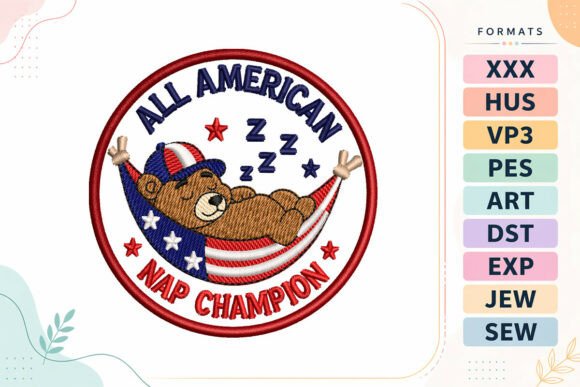
As a designer who spends most of my days evaluating file structures and stitch placements, I don’t get excited about every new release. However, when I pulled up the Cute Bear 4th of July Patch, it immediately caught my eye. It isn’t just another patriotic graphic; it has a distinct personality that feels ready for real-world application. The concept is simple but effective: a sleeping bear relaxing in a hammock draped with stars and stripes. This design bridges the gap between traditional Americana and modern, cozy aesthetics, making it a versatile asset for any embroidery project.
First Impressions and Visual Personality
The first thing you notice about this machine embroidery design is its mood. Independence Day often brings to mind loud fireworks or rigid military imagery, but this design offers something different. It’s relaxed, humorous, and undeniably charming. The sleeping bear creates an immediate emotional connection, suggesting comfort and leisure. For customers browsing Etsy or walking through a craft fair, this kind of whimsical approach often converts better than generic flag motifs because it tells a story.
From a layout perspective, the composition works well within a standard patch shape. The hammock curves naturally around the bear, creating a contained visual unit that translates easily to various products. The detail level is balanced; there are enough elements to make it interesting without so much clutter that it becomes difficult to stitch cleanly. It feels like a design that was created with both aesthetics and manufacturability in mind.
Real-World Application Scenarios
I recently tested this embroidery file on a variety of materials to see how it would perform as part of a finished product line. Here is how it translated across different categories:
- Custom Apparel and Sweatshirts: When placed on the chest of a heavyweight sweatshirt, the design pops beautifully. The contrast between the soft fabric texture and the dense stitching of the bear’s fur adds depth. It works particularly well for fall holiday wear, where customers want something festive but not overly loud.
- Tote Bags and Canvas Items: A classic use case for this type of tote bag design. The sturdy nature of canvas holds up well to the stitch density, ensuring the applique design elements (if used) or satin stitches remain crisp. It adds a touch of boutique flair to what might otherwise be a plain accessory.
- Baby and Nursery Decor: The gentle theme makes this suitable for baby clothes or nursery pillows. Parents often look for gender-neutral, soft-themed items for holidays, and this bear fits that niche perfectly. It transforms a standard holiday gift into a keepsake-quality item.
- Kitchen and Home Goods: I also experimented with applying this to tea towels and aprons. On a white kitchen towel, the red, white, and blue thread colors stand out sharply against the linen weave. It serves as a great conversation starter during summer gatherings.
Product Value and Brand Consistency
For small business owners and Etsy sellers, the perceived value of a handmade product often hinges on the uniqueness of the design. Using a unique digital embroidery file like this allows you to position your items as premium custom goods rather than mass-produced merchandise. The "All American Nap Champion" theme lends itself well to branding that emphasizes relaxation and fun. It helps create a cohesive brand identity for shops focusing on cozy, homey, or humorous holiday themes.
Furthermore, the design’s versatility supports cross-selling opportunities. You can offer matching sets—a hat for dad, a onesie for the baby, and a pillow for the living room—all featuring variations of this same cute bear motif. This consistency builds trust with buyers who appreciate coordinated aesthetics.
Technical Considerations and Stitch Quality
No matter how beautiful a design looks on screen, its true worth is determined by how it stitches. When evaluating the stitch density of this patch, it appears well-calibrated for standard home and commercial machines. The fill stitches covering the bear’s body provide good coverage without being excessively heavy, which reduces the risk of puckering on lighter fabrics.
However, attention must be paid to the smaller details. If the design includes fine text or tiny decorative elements, these areas require high-resolution stitching. I recommend inspecting these corners closely before committing to a large production run. Testing in black and white mockups can help verify that the shapes remain distinct even if color contrast varies in the final thread selection.
The choice of thread colors is critical. While the stars-and-stripes theme suggests traditional red, white, and blue, experimenting with softer pastels or metallic accents can yield unique results. Just ensure that the contrast between the bear’s fur and the background remains high enough to maintain clarity. Low contrast can make the design look muddy after washing.
Where to Use Caution
While this design is robust, it is not suitable for every surface. There are specific scenarios where you should proceed carefully:
- Small Hoop Sizes: If you attempt to digitize or resize this down too far, the individual stitches may merge, losing the definition of the bear’s features. Stick to recommended hoop sizes to preserve integrity.
- Stretchy or Thin Fabrics: Embroidery on jersey knit or thin synthetics requires a strong stabilizer. Without proper support, the tension from the satin stitch edges can distort the fabric, ruining the clean lines of the patch.
- Curved Surfaces: Applying this to caps or curved hats can be challenging. The flat nature of the design may not follow the curve of a brim perfectly. Test on a scrap piece of cap material first to ensure the placement looks natural.
- Dense Stitch Areas: If the design uses heavy fill stitches, avoid placing it directly over seams or pockets on garments, as this can create uncomfortable bulk.
Practical Designer Notes for Production
To ensure your finished product meets professional standards, follow these steps before production:
- Test on Scrap Fabric: Always run a test stitch on the actual fabric you plan to use. This reveals issues with thread tension, needle type, or fabric stability that aren't visible on a computer screen.
- Check Stabilizer Compatibility: Match your stabilizer to the fabric weight. Cut-away stabilizers are generally safer for long-term durability, especially for items that will be washed frequently.
- Verify Licensing: Before selling any commercial embroidery items, confirm the licensing terms of the digital file. Ensure you have the right to sell physical goods made from the design, and understand any limits on quantity.
- Create Printable Mockups: Use high-quality digital previews to showcase the product online. Showing the design on different backgrounds helps customers visualize the final result, increasing engagement and reducing returns.
Final Verdict
The Cute Bear 4th of July Patch is a solid addition to any designer’s library. It combines humor, patriotism, and cuteness in a way that appeals to a broad audience. Whether you are creating personalized gifts, expanding your craft business inventory, or designing assets for digital resale, this file offers strong potential. Its clear structure and engaging theme make it a reliable choice for projects ranging from custom apparel to holiday embroidery decor. By paying attention to technical details like stabilizer choice and thread contrast, you can produce high-quality items that customers will love. It is a design that proves you don’t need complex geometry to make a lasting impression—just a little charm and smart execution.