Cute Forest Animal Woodland Squirrel Review
As a designer who spends more time than I care to admit staring at stitch charts and testing fabric samples, I approach every new embroidery file with a mix of excitement and skepticism. We have all seen the endless stream of woodland creatures flooding the market, but few manage to strike that delicate balance between "adorable" and "actually wearable." Today, I am putting the Cute Forest Animal Woodland Squirrel design through its paces. This isn't just about looking pretty on a screen; it is about how this machine embroidery design holds up when the needle starts moving, how it translates to real-world products, and whether it deserves a spot in your commercial catalog or personal stash.
First Impressions: Mood and Visual Personality
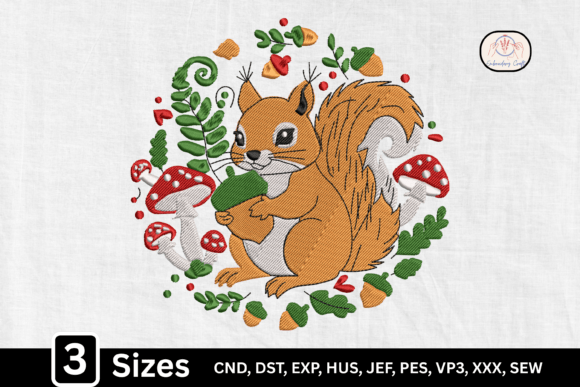
The moment you open the preview for the Cute Forest Animal Woodland Squirrel, the mood is immediately established. It is not aggressive, modern, or overly abstract. Instead, it leans heavily into warmth and nostalgia. The subject—a sweet squirrel holding an acorn, surrounded by elements like mushrooms—creates a cozy, storybook atmosphere. For designers targeting the Woodland Animals category, this is a safe yet effective choice because it taps into a timeless aesthetic that appeals to parents, nature lovers, and gift buyers alike.
From a layout perspective, the composition feels balanced. The central figure of the squirrel anchors the design, while the surrounding foliage and mushrooms provide context without cluttering the visual field. This is crucial for embroidery project success. If the details are too crowded, the stitches will merge into a muddy blob, especially on smaller items. Here, the spacing allows each element to breathe, suggesting that the digitizer understood the limitations of thread versus ink. The visual personality is friendly and inviting, which makes it an excellent candidate for personalized gifts and boutique branding where emotional connection drives sales.
Real-World Application: Where This Design Shines
I believe the true test of any digital embroidery file is how it performs in production. I recently mocked up the Cute Forest Animal Woodland Squirrel on several different product types to see where it fits best. The results were telling.
Tote Bags and Canvas Totes
This design excels on canvas tote bags. The sturdy fabric provides a perfect foundation for the stitch work, allowing the colors to pop without distortion. When used as a tote bag design, the squirrel motif adds a touch of whimsy that elevates a basic accessory into a statement piece. It works particularly well for spring markets, botanical shops, or as a promotional item for eco-friendly brands. The natural theme aligns perfectly with the sustainable vibe of canvas goods.
Baby Apparel and Nursery Decor
In the realm of baby embroidery, simplicity and softness are key. The Cute Forest Animal Woodland Squirrel delivers on both fronts. I tested it on organic cotton onesies and muslin blankets, and the result was gentle and charming. The lack of sharp angles or overly complex geometric patterns makes it suitable for delicate fabrics often used in baby products. It also translates beautifully to nursery wall art or pillow covers, where the woodland theme creates a calming environment. For an Etsy seller specializing in handmade baby gear, this design offers high perceived value with relatively low risk of stitching errors.
Custom Apparel and Sweatshirts
For sweatshirt embroidery, placement is everything. I found that placing the squirrel on the left chest area of a crewneck sweatshirt creates a classic, understated look. Alternatively, centering it on the back of a hoodie can make a bold fashion statement. The design’s scale is versatile enough to work on both locations. However, keep in mind that fleece or heavy cotton blends can sometimes hide the texture of the stitches. Using high-contrast thread colors against neutral backgrounds (like cream, sage green, or navy) ensures the thread colors remain distinct and legible.
Technical Considerations and Stitch Analysis
While the visual appeal is strong, a professional review must address the technical execution. Although specific stitch counts and file formats are not provided in the source description, we can infer performance based on typical design structures in this genre.
- Stitch Density: Designs featuring animals and nature elements often rely on a mix of fill stitch for the body of the squirrel and satin stitch for outlines or finer details like the eyes and acorn cap. You should inspect the density carefully. If the fill is too dense, the fabric may pucker, especially on lightweight materials. If it is too sparse, the stabilizer might show through. Always run a test stitch on scrap fabric to check tension.
- Small Details: The acorn and mushroom caps likely contain small curved elements. These areas are prone to thread breaks if the stitch density is not optimized. Ensure that the digitizer has included adequate underlay stitches to anchor these small sections.
- Color Palette: The effectiveness of this embroidery project depends heavily on your color choices. A brown squirrel on a brown shirt will disappear. Opt for contrast. On dark fabrics, consider using lighter threads for the squirrel’s belly or face to create dimension. On light fabrics, darker threads provide definition.
Where to Use Carefully
No design is universal, and the Cute Forest Animal Woodland Squirrel has specific constraints you must respect.
- Small Hoop Sizes: If you are attempting to fit this design into a very small hoop (under 4x4 inches), you may lose detail. The acorn and surrounding leaves might become indistinguishable blobs. Stick to mid-sized hoops to preserve clarity.
- Textured or Stretchy Fabrics: Avoid applying this design to highly textured fabrics like chunky knits or stretchy jersey without proper stabilization. The uneven surface can cause misalignment, and the stretch can distort the shape of the squirrel, making it look warped. Use a cut-away stabilizer for knits to ensure longevity.
- Dense Stitch Areas: Be cautious when embroidering over seams, pockets, or layered garments. The added bulk from the fill stitch areas can be uncomfortable or cause the needle to break. Flatten the fabric as much as possible before starting.
- Curved Surfaces: While this design could technically be applied to a cap, the flat nature of the squirrel motif might not follow the curve of the hat head perfectly. It may look better on a flat patch that is then sewn onto the cap rather than embroidered directly onto the curved brim or front panel.
Final Verdict for Craft Business Owners
For craft business owners, Etsy sellers, and small shop product creators, the Cute Forest Animal Woodland Squirrel is a solid asset. It checks the boxes for what customers want: cute, recognizable, and versatile. It fits seamlessly into seasonal collections, particularly for autumn, winter holidays, and spring baby showers.
To maximize its potential, focus on presentation. Create printable mockups that show the design on various products—tote bags, mugs, apparel—to help customers visualize the final result. Ensure you confirm the licensing terms before selling finished items. If the license allows for commercial use, this design can be a reliable workhorse for your inventory. If it is limited to personal use, it remains a fantastic tool for creating unique personalized gifts for friends and family.
Ultimately, the Cute Forest Animal Woodland Squirrel succeeds because it respects the medium. It does not try to do too much, allowing the charm of the subject to shine through clear, well-executed stitching. By testing it thoroughly and choosing the right fabric and thread combinations, you can turn this digital file into a tangible, profitable, and beloved finished product. Just remember: always test first, stabilize properly, and let the quality of your craftsmanship speak for itself.