Queen Line Art Embroidery Review
As an embroidery designer who spends hours judging stitch density and visual balance, I am always on the lookout for designs that translate well from digital files to finished garments. When browsing Creative Fabrica embroidery collections, it is easy to get overwhelmed by cluttered or overly complex patterns. However, when I first encountered the Queen Line Art design, I immediately recognized its potential for high-end boutique apparel. This piece offers a sophisticated minimalism that feels both modern and timeless, making it an excellent candidate for a curated sweatshirt or hoodie collection.
First Impressions and Visual Personality
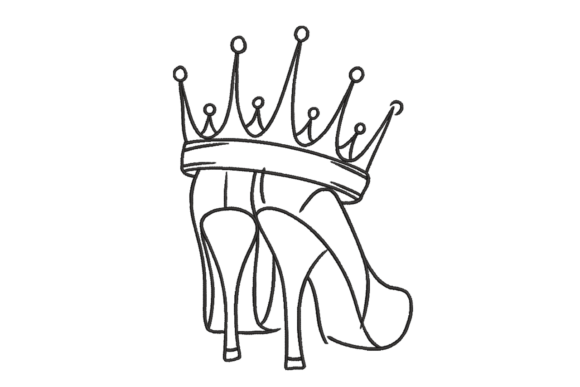
The immediate appeal of Queen Line Art lies in its clean aesthetic. In a market saturated with heavy fills and intricate floral clusters, this design stands out for its restraint. The line work is precise, creating a sense of elegance that appeals to customers looking for subtle luxury rather than loud graphics. It feels premium, feminine, and trendy without being fleeting. For a small clothing brand or an Etsy seller aiming for a cohesive look, this design provides a versatile anchor that can be styled in numerous ways.
The mood of the artwork is calm yet commanding. It does not shout for attention but rather invites the viewer to look closer. This subtlety is crucial for sweatshirt embroidery, where the goal is often to add a touch of personality without overwhelming the garment’s natural texture. Whether you are designing for a lifestyle brand or creating custom apparel for social media influencers, the artistic quality of this file suggests a professional presentation that enhances brand identity.
Application on Boutique Apparel
I have been planning a new collection focused on cozy seasonal outfits, and Queen Line Art fits perfectly into this vision. Here is how I envision this design performing across different types of garments and placements:
- Sweatshirt and Hoodie Chest Placement: The balanced composition works beautifully as a centered chest design. On neutral sweatshirts like heather grey or cream, the contrast allows the lines to pop without feeling harsh. It also looks stunning on pastel hoodies, adding a soft, artistic flair that complements the gentle colors.
- Back Designs: For oversized garments, placing this design on the back creates a statement piece. It transforms a basic hoodie into a fashion-forward item, perfect for boutique merchandise that customers want to showcase in photos.
- Sleeve Accents: A smaller iteration of the line art could serve as a delicate accent on the cuff or upper sleeve. This adds a hidden detail that engaged customers appreciate, elevating the perceived value of the handmade product.
- T-Shirt Embroidery: While often associated with heavier fabrics, this design translates well to cotton tees. It offers a more refined alternative to printed graphics, appealing to buyers who prefer tactile, durable decorations.
- Denim Jackets and Tote Bags: The versatility extends beyond knitwear. On a denim jacket, the line art provides a chic contrast against the rugged fabric. For tote bags, it serves as an elegant logo-like element that reinforces brand identity while remaining stylish.
Styling for Different Colorways
One of the strongest assets of Queen Line Art is its adaptability to various thread colors. On dark garments, such as black or navy, using white or metallic thread creates a striking, high-contrast look that feels luxurious. On lighter fabrics, tonal stitching—using a thread color slightly darker than the fabric—creates a sophisticated, understated effect. This flexibility allows you to create multiple variations of the same design, maximizing the utility of your digital embroidery file.
Practical Design Considerations
While the visual potential is clear, executing this design requires careful technical planning. As an experienced designer, I must advise caution in specific areas to ensure the best result.
Fabric and Stitch Density
Line art relies heavily on negative space and clean edges. Therefore, stitch density is critical. If the stitches are too dense, the fabric may pucker, ruining the clean lines. If they are too sparse, the design may look unfinished. You must inspect the stitch distribution closely. Testing on scrap fabric is non-negotiable. Check how the design interacts with the fabric texture of fleece or ribbed material, as these surfaces can distort fine lines if the stabilizer choice is incorrect.
Placement Challenges
Avoid placing this design on highly curved surfaces or areas prone to stretching, such as the lower hem of a tight-fitting shirt. The distortion can warp the symmetry of the line art. Similarly, be cautious with tiny lettering if included; legibility is key for brand recognition. Ensure the hoop size accommodates the design comfortably without requiring excessive re-hooping, which can misalign the placement.
Stabilizer Selection
For sweatshirt embroidery and other thick knits, a cut-away stabilizer is generally recommended to provide long-term support. However, because this is a line design, you might experiment with tear-away options for lighter fabrics to reduce bulk. Always confirm the recommended stabilizer type based on the specific weight of your garment fabric.
Impact on Brand and Sales
In the competitive world of online selling, visual consistency is paramount. Using a high-quality design like Queen Line Art helps build buyer trust. It signals that you care about detail and craftsmanship. When customers see a professionally executed embroidery design on a small shop product, they are more likely to perceive higher value and justify the price point.
This design is also ideal for creating printable mockups and social media graphics. Its clean lines reproduce well in digital formats, allowing you to market your commercial embroidery products effectively before they are even sewn. By showcasing the design on diverse models and garments, you can drive engagement and highlight the versatility of your collection.
Final Designer Notes
Before adding Queen Line Art to your production queue, remember to review the Creative Fabrica product details thoroughly. Confirm the licensing terms to ensure you are compliant for commercial use. Test the file on the exact fabric you plan to sell, checking for any necessary adjustments to thread tension or hoop positioning. Verify the file format compatibility with your embroidery machine.
Ultimately, this design offers a blend of artistic merit and practical application. It is a strong addition to any library of machine embroidery design files aimed at creating elegant, wearable art. For designers seeking to elevate their finished product offerings with a touch of regal simplicity, this is a worthy investment of time and resources.