Delicate Floral Vine Review
As an embroidery designer who has spent years turning digital concepts into tangible brand assets, I approach every new file with a mix of creative enthusiasm and commercial skepticism. When Delicate Floral Vine landed in my review queue, categorized under Bouquets and Embroidery, I immediately thought about its potential for small business merchandise. In today’s market, branded goods are not just extras; they are essential touchpoints that build customer loyalty and elevate perceived value. This review evaluates whether this specific design is ready for the rigors of production or if it remains purely decorative.
First Impressions and Visual Personality
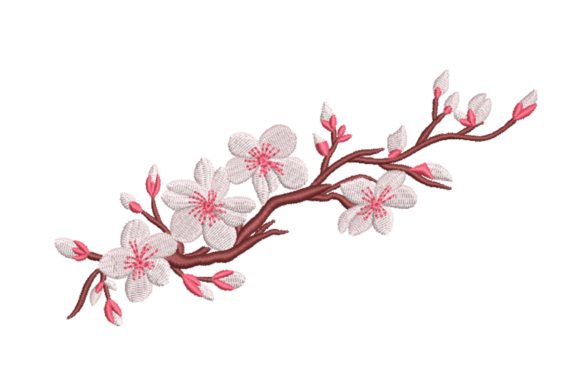
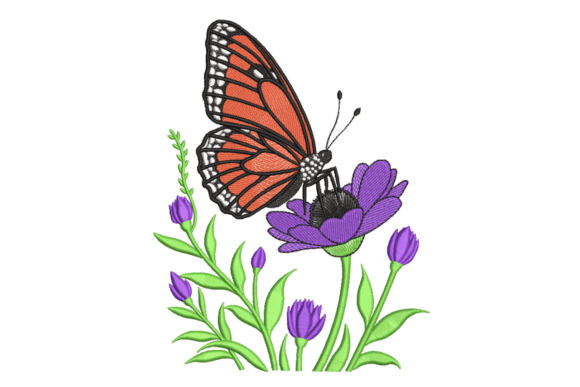
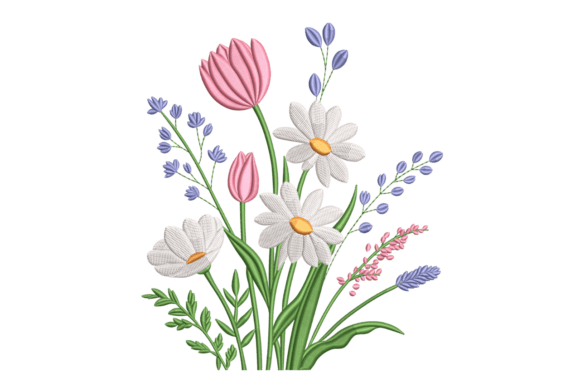
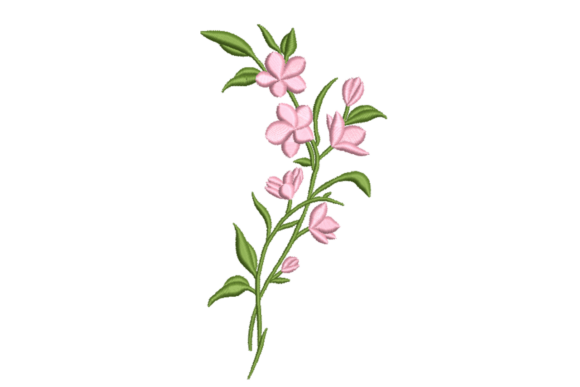
The name Delicate Floral Vine suggests elegance, femininity, and organic flow. Visually, this design fits squarely into the "premium" and "handmade" aesthetic categories. It avoids the bold, graphic look of streetwear branding in favor of something more refined and classic. For a boutique owner, florist, bakery, or creative studio, this visual personality is highly desirable. It communicates attention to detail and care—qualities that customers associate with high-quality handmade products.
However, "delicate" is a double-edged sword in machine embroidery. While it looks stunning on a screen, the fine lines and subtle curves require precise execution. The design feels friendly yet professional, making it versatile enough for a wide range of industries. It does not scream for attention but rather invites the viewer to lean in closer. This subtlety is perfect for brand identity when you want your logo or accent to feel integrated rather than overpowering.
Real-World Business Applications
When evaluating a machine embroidery design for commercial use, I always ask: where will this live? Delicate Floral Vine shines in several key areas of small business merch:
- Embroidered Patches: This design works beautifully as a standalone patch. Whether sewn onto denim jackets, canvas totes, or leather wallets, the vine motif adds a touch of sophistication without overwhelming the base material. It serves as an excellent accent piece for brands that want to signal quality.
- Staff Uniforms and Aprons: For cafes, bakeries, and florists, uniform branding is crucial. Placing a smaller version of the vine on the chest pocket of an apron or near the collar of a work shirt creates a cohesive team look. It softens the utilitarian nature of workwear while maintaining professionalism.
- Caps and Hats: Cap embroidery often struggles with complex details due to the curved surface and limited space. However, if the vine design allows for a clean left-side placement, it can add a premium flair to baseball caps or beanies. It pairs well with minimalist text logos.
- Tote Bag Design: Canvas totes are a staple for Etsy sellers and craft businesses. A delicate vine embroidered along the strap or centered on the front adds a tactile element that printed designs cannot match. It elevates a simple tote bag into a keepsake item.
- Product Packaging Accents: Beyond apparel, this design can be used on fabric tags attached to clothing items or as a decorative element on gift boxes. It reinforces the brand identity at the moment of unboxing, enhancing the overall customer experience.
Where to Exercise Caution
Not every application is suitable for a design labeled "delicate." As a designer, I must highlight potential pitfalls to prevent costly production errors:
- Small Patch Sizes: If you plan to embroider this on patches smaller than 2 inches, the fine details may become muddy. The threads might merge, losing the definition of the individual leaves and stems. Always test at the final intended size.
- Curved Surfaces: While caps are great, highly curved items like fitted hats or rounded containers can distort the vine's natural flow. Ensure the digitizing accounts for the curvature, or consider flat surfaces for maximum clarity.
- High Stitch Density: Delicate designs often rely on dense satin stitches for outlines. On textured fabrics like heavy wool or rough linen, these stitches may not lay flat, resulting in a lumpy finish. Test on your actual fabric type before committing to a large run.
- Dark Uniforms: Contrast is key. If embroidering on dark uniforms, ensure you have a strong underlay and appropriate thread colors. A light-colored vine on black fabric requires careful setup to avoid shadowing through thin threads.
- Frequent Washing: For items like aprons and work shirts that undergo frequent laundering, delicate edges can fray over time. Reinforce the design with proper stabilizer and consider a tighter stitch density for longevity.
Impact on Brand Identity and Customer Trust
In the world of small business merch, visual consistency builds trust. Delicate Floral Vine contributes to a brand image that values craftsmanship and aesthetics. When customers see a well-executed embroidery on a product, they perceive higher value. This perception translates directly into increased willingness to pay and stronger emotional connection to the brand.
For handmade brands and Etsy sellers, using a high-quality digital embroidery file signals that you are serious about your business. It shows that you invest in materials and finishing touches. This attention to detail encourages repeat purchases and positive reviews. Furthermore, the vine motif is timeless, ensuring that your branded goods remain relevant season after season, unlike trendy graphics that fade quickly.
Practical Designer Notes for Production
Before adding Delicate Floral Vine to your production line, follow these essential steps to ensure success:
- Test in Black and White: Convert the design to monochrome to check contrast and spacing. If it reads clearly in black and white, it will likely work well in color.
- Check Thread Color Contrast: Select thread colors that pop against your fabric. Avoid low-contrast combinations that make the design disappear.
- Inspect Spacing and Hoop Size: Ensure the design fits comfortably within your hoop without touching the edges. Proper spacing prevents distortion during stitching.
- Use Proper Stabilizer: Delicate designs require stable support. Use cut-away stabilizer for knits and tear-away for wovens, depending on your fabric weight.
- Create a Printable Mockup: Before cutting fabric, generate a printable mockup to show clients or stakeholders. This helps visualize the final product and gather feedback early.
- Confirm Commercial Licensing: Verify that you have the right to use this design for commercial purposes. Check the license terms to avoid legal issues down the road.
- Compare Beside Other Assets: Place the design next to your existing logos and patterns. Does it complement them? Visual harmony is crucial for a cohesive brand look.
By following these guidelines, you can transform Delicate Floral Vine from a simple graphic into a powerful tool for brand building. It offers a blend of elegance and versatility that appeals to a broad audience. Whether you are creating custom apparel, promotional items, or luxury packaging, this design has the potential to enhance your finished product significantly. Just remember to prioritize testing and quality control to maintain the high standards your customers expect.