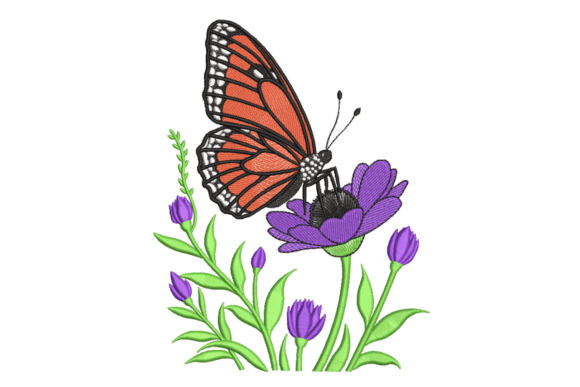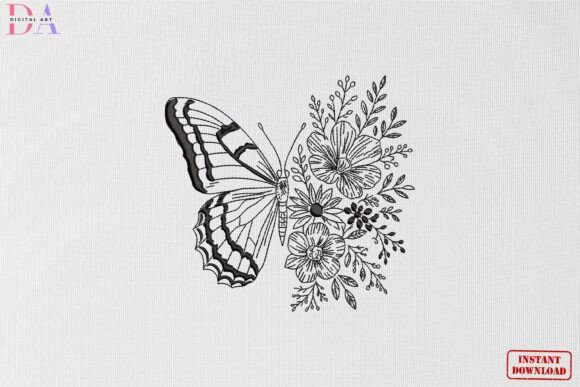
Butterfly Wildflower Botanical Embroidery Review
As an embroidery designer who spends weekends hunched over a sewing machine and weekdays managing digital assets, I have learned that not every design translates well from the screen to the sales floor. When I first saw Butterfly Wildflower Botanical, my immediate reaction was one of cautious optimism. The title promises elegance, nature, and delicate detailing—three elements that are incredibly popular in the handmade market right now. But does it actually work as a craft fair product? Does it hold up when stitched onto physical goods? After reviewing the concept and visualizing how this machine embroidery design might perform on various items, here is my professional assessment for fellow Etsy seller owners and boutique makers.
First Impressions: Elegant and Market-Ready
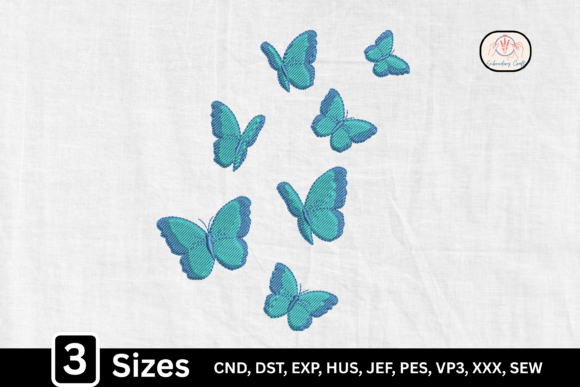
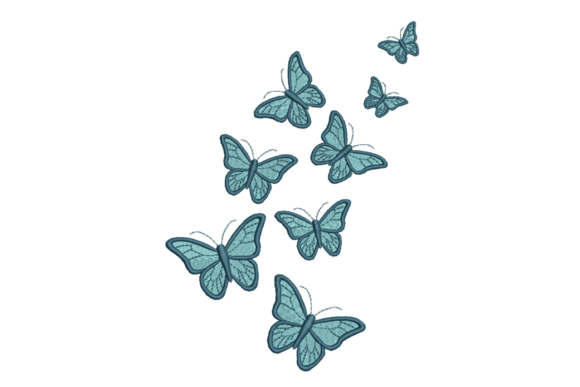
The description highlights "delicate floral accents" and "graceful nature-inspired detailing." In the world of embroidery, words like "delicate" can be a double-edged sword. They promise beauty but often signal technical difficulty. My initial read suggests that Butterfly Wildflower Botanical leans toward a soft, farmhouse, or cottagecore aesthetic. It feels premium rather than playful. This is crucial because it dictates your target customer. You are not targeting kids' birthday favors; you are targeting the woman looking for a sophisticated gift for her mother or a chic addition to her own home decor.
Visually, I imagine this design standing out against neutral backgrounds. The contrast between the organic shapes of the butterfly wings and the structured petals of the wildflowers creates a nice balance. It is not overly busy, which is good for readability, but it has enough detail to look expensive. For a booth display, this kind of handmade product catches the eye without shouting. It invites people to come closer to inspect the quality.
Product Application: Where It Shines
When planning my craft fair table, I always ask: "What item makes this design sing?" Here is how I see Butterfly Wildflower Botanical performing across different categories:
- Tote Bags: This is likely the highest-volume seller. A canvas tote bag provides a large, flat surface that allows the butterfly and botanical elements to breathe. If the design includes a central focal point, placing it slightly off-center on a tote bag looks modern and artistic. It transforms a basic accessory into a statement piece.
- Apron Embroidery: Aprons are staple items at farmers markets and craft fairs. Placing this design on the bib of a linen apron adds a touch of grace to kitchen wear. The "wildflower" theme pairs perfectly with cooking and baking aesthetics. Just ensure the placement does not interfere with the wearer's movement.
- Tea Towel Embroidery: Kitchen towels are impulse buys. Because they are smaller, the design needs to be scaled appropriately. If Butterfly Wildflower Botanical works well at a smaller size, it could be a great entry-level price point for customers browsing your booth. However, check the stitch density carefully here.
- Embroidered Patch: Creating a standalone patch version of this design is a smart move. Patches can be sewn onto denim jackets, backpacks, or beanies by the end-user. This expands your reach beyond just finished goods into the DIY market.
- Pillow Covers: For a higher-ticket item, a decorative pillow cover featuring this design appeals to home decorators. The botanical theme fits seamlessly into living rooms and sunrooms. Use a high-quality cotton or velvet fabric to elevate the perceived value.
- Fabric Pouches: Small zippered pouches for makeup or pens are popular gifts. A small, centered application of the butterfly motif can make these tiny items feel luxurious.
Production Realities and Technical Challenges
As a designer, I must be realistic about production. The description mentions "delicate" details. In embroidery, delicate often means fine lines, small satin stitches, or tiny fill areas. These are the enemies of speed and consistency.
Stitch Density and Clarity: Before committing to mass production, I would test this embroidery file on scrap fabric. If the butterfly wings have intricate patterns, will they become muddy when stitched? If the flowers are too close together, the fabric may pucker. High stitch density can also make the final product stiff, which is undesirable for soft goods like aprons or tea towels. I recommend checking the spacing between elements to ensure there is enough negative space for the eye to rest.
Fabric Texture and Thread Contrast: The success of this design relies heavily on thread colors. On a dark fabric, the "elegant botanical beauty" might get lost if the threads are not vibrant enough. Conversely, on white fabric, the delicate details might disappear if the line weight is too thin. I always advise creating a printable mockup first, but nothing beats a real sample. Test on textured fabrics like linen or waffle-weave tea towels. These textures can hide minor stitching imperfections but can also distort fine details if the hoop tension is not perfect.
Hoop Size and Curves: If you plan to embroider this on caps, remember that curved surfaces are challenging. A complex botanical design might look distorted if the cap crown is too rounded. For flat items like tote bags, ensure the hoop size accommodates the entire design without requiring re-hooping, which can lead to misalignment.
Visual Appeal and Customer Engagement
From a marketing perspective, Butterfly Wildflower Botanical has strong visual appeal. Nature-themed designs are evergreen—they sell year-round. Spring and summer are obvious peaks, but botanicals remain relevant in autumn (dried flower vibes) and winter (cozy cabin aesthetics). This versatility makes it a safe investment for your inventory.
For online listings, this design photographs beautifully. Soft lighting enhances the "elegant" vibe. When you take photos for your Etsy shop or website, focus on macro shots that show the texture of the thread and the precision of the stitches. Customers buy with their eyes, and high-quality images of the finished product build trust. Show the design on multiple products to help buyers visualize it in their own homes.
Practical Designer Notes for Success
To ensure Butterfly Wildflower Botanical becomes a bestseller, follow these practical steps:
- Test on Scrap Fabric: Never go straight to your final product. Stitch the design on scraps of the actual fabric you intend to use. Check for puckering, color bleeding, and clarity.
- Check Thread Contrast: Ensure the thread colors pop against the fabric. Use a stabilizer appropriate for the fabric weight. Heavy-duty cut-away stabilizer is usually best for tote bags and aprons to prevent distortion over time.
- Review Spacing: Zoom in on the digital file. Are any elements too close? Will they merge during stitching?
- Create Mockups: Use digital tools to create a printable mockup or a digital preview. This helps you plan your booth layout and listing photos before you spend hours stitching.
- Confirm Commercial Licensing: This is critical. Before selling any commercial embroidery products, verify that you have the right to sell finished goods made from this digital embroidery file. Do not assume; read the license terms carefully.
Final Verdict
Butterfly Wildflower Botanical appears to be a versatile and attractive design for the handmade market. Its elegant and nature-inspired aesthetic fits perfectly with current trends in home decor and fashion accessories. While the "delicate" nature of the design requires careful attention to stitch density and fabric choice, the potential reward is high. With proper testing and strategic product placement, this design can enhance your brand consistency and drive sales at craft fairs and online shops. It is a solid addition to any small shop product lineup, offering both visual charm and commercial viability.
If you are looking to add a touch of grace to your market bags or handmade gifts, this design is worth exploring. Just remember: the devil is in the details. Take the time to test, refine, and present it well, and you will likely find that customers appreciate the effort put into every stitch.