Black Cats and Houseplant Review
As an embroidery designer who has spent years translating digital concepts into tangible, stitched assets for small businesses, I approach every new design with a critical eye. It is not enough for a design to simply look good on a screen; it must hold up under the needle, perform consistently in production, and elevate the brand identity of the business using it. Today, I am reviewing the Black Cats and Houseplant machine embroidery design. This piece combines two distinct but highly popular themes: playful felines and indoor greenery. For owners of boutiques, bakeries, pet brands, or creative studios looking to expand their merchandise line, understanding the practical application of this design is crucial before committing to bulk production.
First Impressions and Visual Personality
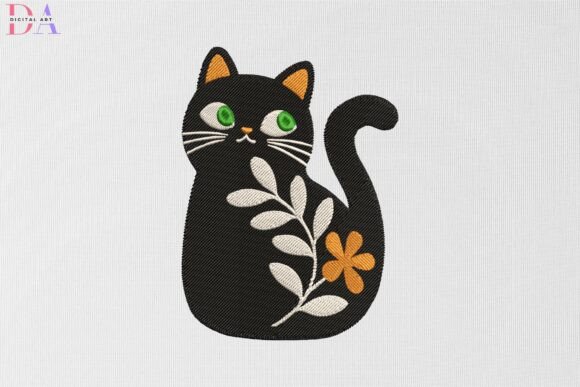
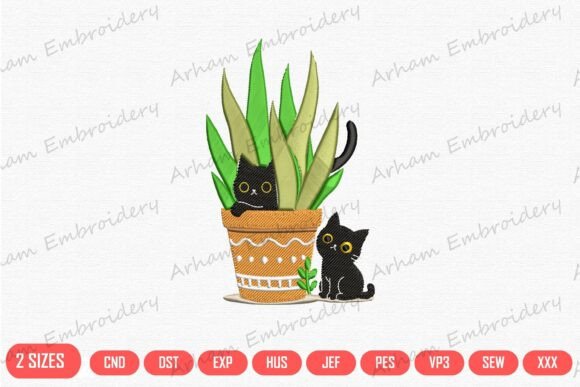
The title Black Cats and Houseplant suggests a blend of modern whimsy and cozy domesticity. In the current market, the intersection of cat culture and plant parenthood is a powerful niche. From a design perspective, this combination offers a unique opportunity to create something that feels both premium and approachable. The imagery of two adorable black cats interacting around lush greenery typically implies a narrative element, which is excellent for branding because it invites the customer to pause and engage.
When evaluating this as a commercial asset, the first question is whether the design reads clearly at a glance. Designs featuring multiple subjects (cats) and complex organic shapes (leaves) can easily become muddy if the stitch density is too high or the spacing is too tight. However, based on the description of "playful" interaction, we can anticipate a layout that likely balances negative space with detailed focal points. This makes it versatile for various applications, from soft apparel accents to structured patches. The aesthetic leans towards handmade charm rather than rigid corporate minimalism, making it ideal for Etsy sellers, craft fair vendors, and lifestyle brands that want to convey warmth and personality.
Real-World Business Applications
For small business owners, versatility is key. A single embroidery file should ideally serve multiple purposes within your product ecosystem. Here is how Black Cats and Houseplant can be strategically deployed across different merchandising channels:
- Embroidered Patches: This design translates exceptionally well to iron-on or sew-on patches. The distinct separation between the cats and the plants allows for clean edge trimming. These patches can be sold as standalone collectibles or attached to denim jackets, beanies, and backpacks as custom accessories.
- Staff Uniforms and Aprons: For café owners, florists, or boutique staff, adding a subtle chest logo creates a sense of unity and professionalism. Placing a smaller version of the design on the left breast of a black or white apron adds a touch of personality without overwhelming the worker’s uniform. It signals to customers that the brand cares about detail and employee pride.
- Cap Embroidery: Curved surfaces like baseball caps present a challenge for detailed designs. If the Black Cats and Houseplant motif is simplified, it can work beautifully on the front panel of a cap. This is particularly effective for promotional events or limited-edition drops that drive social media engagement.
- Tote Bag Design: Canvas tote bags are a staple for handmade brands. A centered or pocket-sized embroidery of this design turns a generic bag into a branded marketing tool. Every time a customer carries their groceries or books in this bag, they are advertising your shop.
- Product Packaging Accents: Beyond apparel, consider stitching this onto hang tags, gift boxes, or shipping labels. Adding a tiny embroidered patch to packaging elevates the unboxing experience, reinforcing the value of the handmade product inside.
Brand Identity and Customer Trust
Consistent visual language builds trust. When a customer sees the same charming Black Cats and Houseplant motif across your website, your social media posts, and your physical products, it creates a cohesive brand identity. This consistency reduces cognitive load for the buyer, making your brand more memorable. Furthermore, high-quality embroidery signals craftsmanship. Unlike cheap screen prints that may crack or fade, a well-executed embroidered design suggests durability and care. This perception directly impacts perceived product value, allowing you to command higher price points for your small business merch.
Strategic Placement and Limitations
While this design has broad appeal, an experienced designer knows where caution is required. Not every surface is suitable for every level of detail.
- Small Patch Sizes: If you plan to produce patches smaller than 2 inches, you must ensure the design elements do not merge. Fine lines between the cats’ fur or individual leaves may disappear or cause thread breaks. Always test at the intended final size.
- Curved Surfaces: As mentioned with caps, curved areas require careful digitizing. If the design includes text or fine outlines, distortion can occur on the sides of hats or sleeves. Stick to flatter areas for maximum clarity.
- High Stitch Density: Designs with dense fills can feel stiff and heavy on lightweight fabrics. If applying this to delicate silk scarves or thin cotton tees, opt for a lighter stabilizer and possibly a reduced stitch count version if available.
- Detailed Outlines on Dark Fabrics: Black cats on dark fabric can sometimes lack contrast unless specific thread colors are used. Ensure your thread palette provides enough difference between the subject and the background to maintain visibility.
Practical Designer Notes for Production
Before launching a production run, follow these essential steps to ensure quality control:
- Test in Black and White: Convert the design to grayscale to check contrast levels. This helps identify areas that might get lost in the stitching process.
- Check Hoop Size: Verify that the design fits comfortably within your standard hoop sizes. Oversized designs may require multi-hoop setups, increasing labor time and cost.
- Use Proper Stabilizer: The choice of stabilizer (cut-away vs. tear-away) depends on the fabric. For stretchy knits or heavy denim, a cut-away stabilizer is usually necessary to prevent distortion over time.
- Create a Printable Mockup: Before embroidering expensive inventory, use a printable mockup to visualize how the design looks on your actual products. This helps in client approvals and marketing materials.
- Confirm Commercial Licensing: Most importantly, verify the commercial licensing terms of the digital embroidery file. Ensure you have the right to sell finished goods made with this design, especially if you are producing large quantities.
Final Thoughts for Merch Creators
The Black Cats and Houseplant design offers a compelling blend of trendiness and timeless appeal. By treating it not just as a decorative image but as a strategic brand identity tool, small business owners can significantly enhance their product offerings. Whether used for custom apparel, tote bag design, or apron embroidery, this design has the potential to resonate deeply with audiences who appreciate the quirks of pet ownership and the tranquility of indoor gardening. Remember, the success of any commercial embroidery project lies in the details—test thoroughly, choose your fabrics wisely, and let the quality of the stitch speak for your brand.